






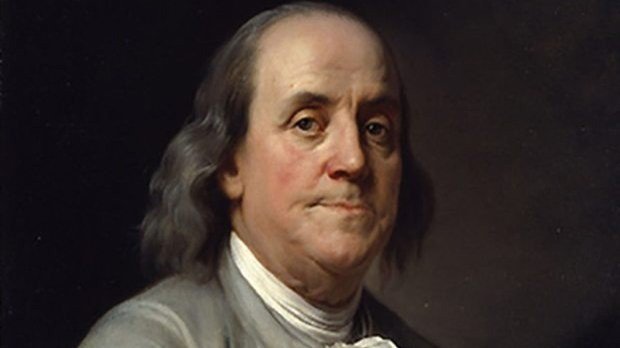
Before “ecosystem” became Silicon Valley’s favorite buzzword, Benjamin Franklin was already building America’s first integrated business platform. The founding father who gave us “time is money” also pioneered a portfolio entrepreneurship strategy that modern tech CEOs would recognize.
The Franklin Method: Strategic Diversification
Franklin didn’t just run a printing shop. He orchestrated an interconnected web of businesses that created compound advantages. His printing business fed his newspaper, The Pennsylvania Gazette. This promoted his almanac, Poor Richard’s Almanack, and built his personal brand for civic roles. This, in turn, gave him influence to secure postal contracts all while his innovations, like the Franklin Stove, enhanced his reputation as a problem-solver.
This wasn’t random diversification. Franklin understood what we now call “adjacency strategy.” Each venture leveraged existing capabilities while reducing overall business risk.
Four Franklin Principles for Modern Tech Leaders
1. Start with Your Core Competency: Franklin’s printing expertise became the foundation for everything else. For tech CEOs, this means identifying your technical or market advantage and asking:
What adjacent problems can this solve?
Shopify didn’t just build e-commerce software. They expanded into payments, logistics, and financing. All serving the same customer base with complementary solutions.
2. Create Compounding Network Effects: Franklin’s businesses reinforced each other. His newspaper subscribers became almanac buyers and almanac readers trusted his civic leadership. Civic roles followed and led to business opportunities.
The modern equivalent is how Amazon’s retail platform fed data insights for AWS, which improved retail recommendations, and all combined attracted more customers.
3. Build Defense Through Integration “Industry and frugality are the means of wealth,” Franklin wrote. But integration was his competitive moat. Competitors couldn’t just copy one business because they needed to replicate the entire ecosystem.
Think Apple’s hardware-software-services integration or Tesla’s batteries-cars-charging network strategy.
4. Balance Innovation with Practicality: Franklin invented the lightning rod and bifocals not for glory, but to solve real problems profitably. His approach was to identify genuine pain points, create practical solutions, and then scale systematically.
This beats the Silicon Valley tendency to build impressive technology searching for applications.
The Modern Application
Today’s most successful tech CEOs follow Franklin’s playbook intuitively. Jensen Huang didn’t just build graphics chips at NVIDIA. He built an entire AI computing platform. Brian Chesky expanded Airbnb from home-sharing into experiences, corporate travel, and now long-term rentals.
The key is Franklin’s systematic approach. Each new venture should leverage existing assets, serve current customers better, or create strategic advantages that competitors can’t easily replicate.
Franklin’s Warning for the Digital Age
Franklin also understood the danger of overextension. “He that is everywhere is nowhere,” he observed. Modern tech CEOs often fall into the “platform trap.” Building everything for everyone instead of connected solutions for specific customer needs.
The Franklin model isn’t about becoming a conglomerate. Instead, it’s about creating an integrated value proposition where each piece makes the whole stronger.
What entrepreneurial wisdom from America’s founding fathers resonates with your leadership challenges?
Share your thoughts below.
If this perspective resonates with you, contact me on LinkedIn or at scott@purplefinchgroup.com
Contact me HERE if you’d like to learn more about one of my 4-hour consults for tech CEOs. Schedule a free 30-minute conversation.
Stay focused. Keep disrupting. Be well.