






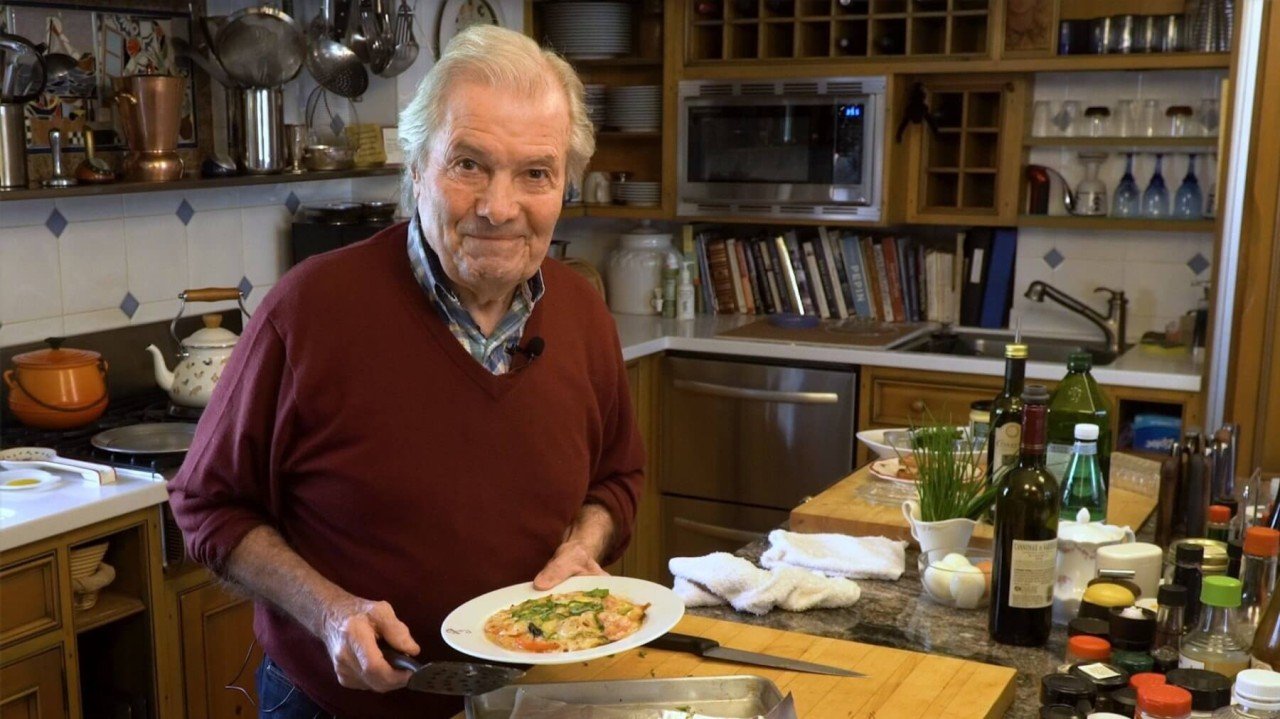
Early in my home cooking journey I methodically followed recipes with careful, military like precision. And over time I achieved great results but felt trapped. So, I took several semi-pro cooking classes over a six-month period, focused on French technique and lead by masters with decades of experience. Creating something different each week, adjusting heat by instinct, seasoning by taste, and improvising through dinner changed my efforts in the kitchen dramatically.
Cooking by recipe is a great place to start. You’re not reinventing the wheel, there’s a clear playbook, and there is a sense of structure in the chaos.
However, scaling a company isn’t the same as making a cake. Scaling is like running a restaurant during a power outage with a surprise food critic in the dining room and two of your line cooks have called out sick.
Recipes break down here, while methods kick in.
The Limits of Instruction
Recipe followers excel in stable environments. They’re the engineers who perfectly implement established frameworks, the marketers who execute proven campaigns, and the leaders who successfully copy what worked elsewhere.
In addition, there are teams that:
- Rely on a sales playbook but don’t understanding what really drives conversion.
- Copy a competitor’s pricing strategy without grasping customer psychology.
- Implement a new organizational chart because a board member said it worked at their last company.
However, recipes fail when ingredients change, when market conditions shift, and when the unexpected happens.
Baking a cake requires precise measurements and timing. Deviate from the chemistry and sequence and you get a brick instead of dessert. But markets aren’t ovens with predictable temperatures and your team isn’t a passive mixture waiting to be baked.
Method Leadership: Principles Over Procedure
Once I understood the principles of cooking by method a world opened in the kitchen and in every restaurant I visited. Instead of memorizing steps, I developed intuition and adjusted seasonings to taste all along the way.
A chef who masters the sauté method doesn’t need separate recipes for mushrooms, onions, and peppers. They understand heat control, timing, fat ratios, and flavor development. They can walk into any kitchen and create something extraordinary, with any set of ingredients.
Tech CEOs who think in methods ask different questions.
Instead of:
“What’s the best practice for team scaling?”
They’ll ask:
“Which principles drive effective team dynamics?”
Instead of:
“How did Airbnb handle product market fit?”
The question will be:
“What underlying conditions create strong product market fit and how do those conditions apply to our unique situation?”
Roasting a seasoned chicken at 425 degrees, averaging 20 minutes per pound, will cook the bird. Master the method of crisp skin, proper seasoning over time, and allowing for rest time to redistribute the juices, and you can roast anything. Including your competition.
The most effective CEOs I know are method masters. They understand the underlying principles of user acquisition in their space and team motivation to produce the best results.
Moreover, they:
- Recognize patterns in customer behavior and adjust positioning mid-quarter.
- Know when to coach, when to delegate, and when to let someone walk.
- Understand team dynamics on a cellular level and, like a chef who knows when a sauce is done by the sound, be ready for the next move.
The most accomplished CEOs taste the business, they don’t just measure its performance.
Where Excellence Meets Adaptability
In traditional martial arts, there’s a concept called “shu-ha-ri.” This refers to three stages of mastery. Shu means to protect or obey and this is where a student follows forms precisely. Ha means to break or detach and this is where students begin modifying techniques. Finally, Ri means to leave or separate and this is where students transcend formal techniques and move with natural spontaneity.
In the kitchen students follow the same progression, from following to modification and finally creativity. Julia Child mastered French techniques by understanding the methods behind them. She then adapted those methods to American kitchens to create something new, while honoring the underlying principles.
Applying Method to Management
The best tech CEOs I’ve worked with operate like master chefs in their own kitchens. They don’t follow a management recipe. Instead, they apply leadership methods.
For example, take conflict resolution:
In a recipe-based approach a CEO would prescribe one-on-ones with each party, identify a core issue, facilitate a discussion, and document agreements.
A method-based CEO would understand that conflicts often mask deeper issues and that emotions need acknowledgement before logic can prevail. Resolution only works when root causes are solved, rather than symptoms.
The same applies to product development, team building, and planning. Methods provide the flexibility to handle unique situations while maintaining consistent underlying principles.
Why Methods Win at Scale
Like restaurants and their teams, success scaling tech companies is rooted in methods, systems, and principles that can be taught, adapted, and applied consistently across different contexts.
Even in the fast-food space, McDonald’s doesn’t give each location a recipe for success. They provide methods, systems, and principles that work across cultures, languages, and local preferences.
Tech companies face the same challenge as they grow from five to fifty to five hundred employees. As CEO you and your team can’t provide a detailed recipe for every situation. Leaders who rely on recipes find themselves becoming bottlenecks, where every decision requires their input for an instruction set.
Method based leaders create other leaders and having people who can navigate new situations using shared principles makes everyone stronger and aligned.
The Compounding Effect of Method Mastery
The most successful CEOs I know share a common trait:
They’ve moved beyond copying what worked elsewhere to understanding why something worked and how to adapt those principles to new situations. Like Ri in the dojo, they’ve developed their own leadership methods, tested through experience, and refined through feedback. Ultimately, they’ve developed confidence that comes from deep understanding and self-awareness.
Like a great dish and its presentation, the reward is bringing everything together into complete harmony through adaptable excellence.
Bon Appetit.
If this perspective resonates with you, contact me on LinkedIn or at scott@purplefinchgroup.com
Contact me HERE if you’d like to learn more about one of my 4-hour consults for tech CEOs. Schedule a free 30-minute conversation.
Stay focused. Keep disrupting. Be well.
