






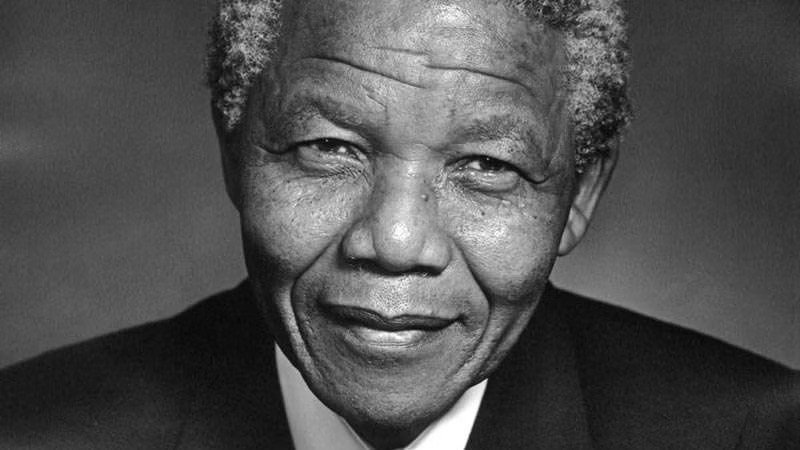
When Nelson Mandela was tasked with leading a divided nation out of apartheid, he focused on a leadership style defined by strength, integrity, courage, and, most significantly, the ability to bridge profound divides.
These qualities hold strong relevance for tech CEOs navigating the complex and often divisive challenges of building and scaling companies. For tech CEOs, the landscape of building a company is often uncertain.
The unknowns often feel endless:
- Market dynamics
- Customer preferences
- Evolving technology
- Competition
Like Mandela, a tech CEO must navigate these uncharted waters with vision, persistence, and an unwavering belief that the company can emerge stronger and more unified after every challenge. As Mandela led South Africa through a profound transformation, CEOs must also embrace uncertainty with clarity of purpose and a strong commitment to their mission.
The Rugby Moment: Finding Common Ground in Unlikely Places
In 1995, Mandela donned the green Springbok jersey, a symbol many viewed as representing white supremacy, and presented the Rugby World Cup trophy to Afrikaner captain Francois Pienaar. That single gesture bridged a chasm that seemed unbridgeable. The crowd that had been booing him moments before erupted in cheers for “Nelson! Nelson!”
The tech CEO parallel here is that every successful tech company faces moments when leadership must find common ground between seemingly incompatible groups, such as engineering purists and business pragmatists, remote workers and office advocates, rapid-growth and quality-focused teams. Like Mandela, effective CEOs don’t ignore these divisions. They find unexpected bridges.
Consider how Airbnb’s Brian Chesky navigated the 2020 pandemic crisis. Instead of choosing between hosts and guests, he found common ground in shared values of community and resilience, maintaining trust with both constituencies during unprecedented uncertainty.
Strength Through Restraint
Mandela possessed something rare among leaders, which was the ability to demonstrate strength through restraint. He could have easily sought revenge, yet he chose reconciliation. This wasn’t weakness. He understood that sustainable transformation required former enemies to become partners.
In the high-stakes world of tech, CEOs constantly face the temptation to “win” at all costs. Crush competitors, dominate markets, and prioritize growth over sustainability. Mandela’s approach suggests a different path. Sometimes the strongest move is the one that builds long-term relationships rather than delivering short-term victories.
When Reed Hastings navigated Netflix’s transition from DVD to streaming, he could have fought the disruption. Instead, he chose the harder path of cannibalizing his own successful business model, demonstrating that visionary leadership sometimes means embracing short-term pain for long-term gain.
The Long Game: Vision Beyond the Immediate Crisis
Mandela never lost sight of his ultimate vision, which was a unified, democratic South Africa. Even when negotiations stalled, violence erupted, or political opponents attacked, he maintained focus on the end goal. This unwavering vision gave him the patience to endure setbacks that would have broken other leaders.
Tech CEOs often operate in environments of constant crisis, such as funding rounds, product launches, competitive threats, and regulatory challenges. It’s easy to become reactive, addressing each crisis in isolation. Mandela’s example reminds us that great leaders maintain clarity about their North Star, using that vision to guide decisions even in chaos.
Building Trust Through Transparency
Perhaps most remarkably, Mandela built trust with former enemies by being transparent about his intentions and consistent in his actions. He didn’t hide his communist associations or pretend his past didn’t matter. Instead, he owned his history while demonstrating through daily actions that he was committed to a different future.
In an era where tech leaders face increasing scrutiny over privacy, ethics, and social impact, Mandela’s approach offers a template. Transparency isn’t just about admitting mistakes. It’s about consistently aligning actions with stated values, even when it’s inconvenient.
The Courage to Step into the Unknown
When Mandela chose reconciliation over revolution, he was stepping into uncharted territory. There was no playbook for transitioning from apartheid to democracy without civil war. He had to write the script as he went, making decisions that would affect millions of lives.
Every tech CEO faces this same challenge at scale. Building something genuinely new means operating without a roadmap, making decisions with incomplete information, and having the courage to pivot when the path ahead becomes unclear.
The most successful tech leaders, like Mandela, combine unwavering vision with tactical flexibility, principled leadership with practical problem-solving, and the courage to build bridges even when they’re navigating toward an uncertain destination.
If this perspective resonates with you, contact me on LinkedIn or at scott@purplefinchgroup.com
Contact me HERE if you’d like to learn more about one of my 4-hour consults for tech CEOs. Schedule a free 30-minute conversation.
Stay focused. Keep disrupting. Be well.