






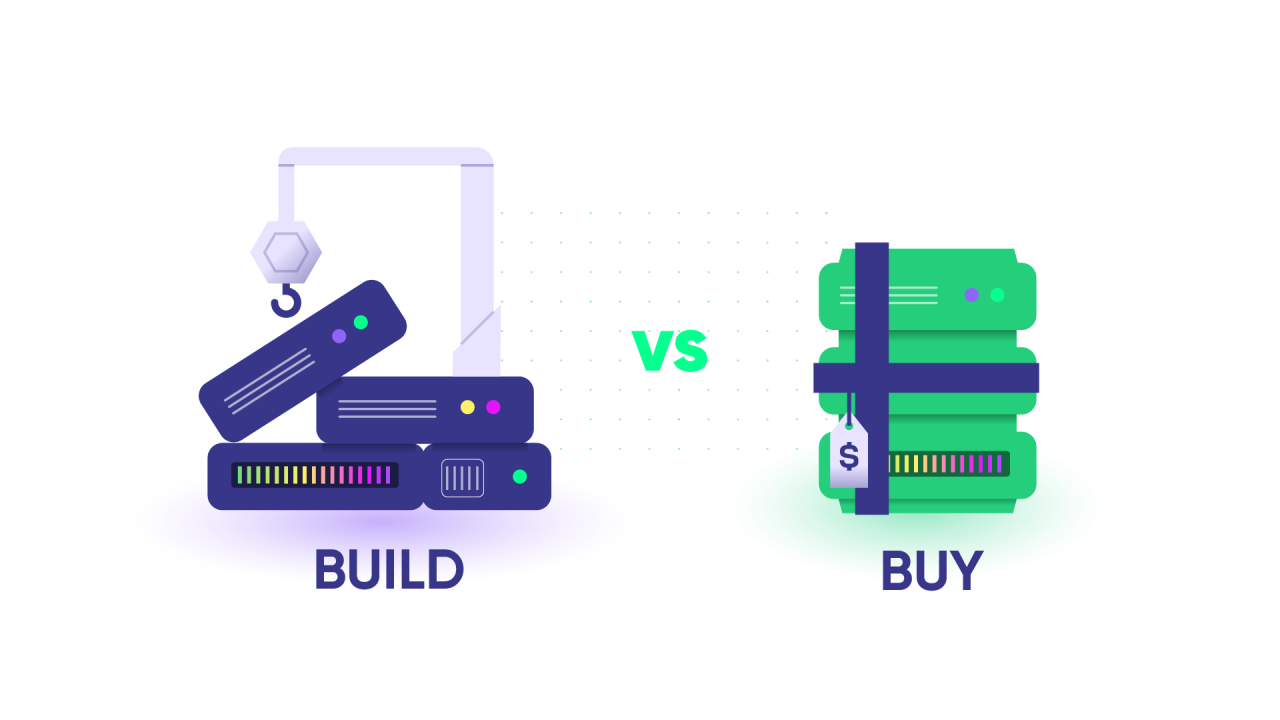
Many tech teams chase mastery and miss the genuine momentum of the true work they’re performing. They know the hard stuff and commonly assume:
“We’ll build it ourselves.”
The assumption is they can do it faster and better. From propriety platforms, internal dashboards, and content delivery networks, technical founders and their engineering teams often choose to build rather than buy.
The intent is noble because they’re focused on:
- Control
- Customization
- Craftsmanship
But beneath the surface is a paradox that costs millions in time, morale, and missed opportunity.
The Paradox of Mastery
In martial arts, the paradox is this:
The path to mastery often involves using less force, not more. You become more powerful not by doing more but doing less better. You conserve energy, you deflect rather than block, and you strike only when necessary.
As my grandmaster says on a regular basis: “Scott, aim small and miss small.”
The same holds true for scaling a tech company. Mastery in tech isn’t about writing more code, it’s about writing less of the wrong code.
Yet when engineers choose to “build it ourselves” they’re often chasing a sense of ownership, control, and technical purity that comes at a steep hidden cost. Particularly when the solution already exists.
The Illusion of Control
Igor Debatur, co-founder and CEO of Uploadcare, said it best on my recent podcast:
“The best customers we serve are the ones who already tried to build it themselves. Once they’ve been burned by the complexity, they never want to do it again.”
Engineers assume file uploads are easy. Simply drop a file in S3, layer on a Content Development Network, and wrap it in some APIs.
Done.
What they don’t see are the invisible requirements:
- Real-time optimization for screen size and bandwidth
- Malware scanning and abuse protection
- Compliance across jurisdictions
- Content moderation workflows
- Permissioning and edge security
- Global distribution at speed and scale
It’s like stepping into a tournament thinking you’re ready, only to realize you’ve never trained against a real opponent.
And then there’s the cost of the assumptions.
The Hidden Costs of “We’ll Build It”
Time That Doesn’t Compound because your team spent months building an internal tool instead of refining your core product. You’ve burned time that could have been compounding into customer insight, market feedback, or revenue. Like shadowboxing when there’s a real fight happening next door.
Morale Drain sets in for your engineers because they’re babysitting infrastructure, fixing bugs on edge cases, or handling dark web abuse. That’s maintenance, not mastery. Morale suffers when builders are buried in brittle systems.
Opportunity Cost is every hour spent “perfecting” your internal solution while your competitor spends building features your customers notice. Speed and execution wins. Especially when momentum is fragile and product market fit is still solidifying.
Security and Reputation Risk sneaks up on a team because until you’ve been targeted, you often don’t know what you need. Uploading malicious files through a branded URL is a mess to cleanup. Prevention is much better.
The Fog of Technical Debt is when you build it yourself, you own it forever. You’re now in the business of maintaining a thing you didn’t intend to sell. And when the day arrives and your best engineer leaves, you’ve got no one else who knows how it works. In the rush, no one really completed the technical readme documentation.
Yet, despite all the challenges, building it remains a seductive choice.
Because it feels like discipline.
Because it feels like control.
Because building is what got you here in the first place.
The paradox is that CEOs and their CTO colleagues often see the pain of integration or the cost of a license and believe “we could build that competitively and for less.”
But should you and does it help you win faster?
No.
You’re not building a product anymore. You’re building a company.
Buying time from a trusted vendor is discipline and paying for speed, security, and stability is strategy.
As your team earns its black belt, your moves become more refined. Not everything needs to be built from scratch and not every fight is worth your energy.
Remember, you scale by choosing the right partners and that includes what not to build.
If this perspective resonates with you, contact me on LinkedIn or at scott@purplefinchgroup.com
Contact me HERE if you’d like to learn more about one of my 4-hour consults for tech CEOs. Schedule a free 30-minute conversation.
Stay focused. Keep disrupting. Be well.
